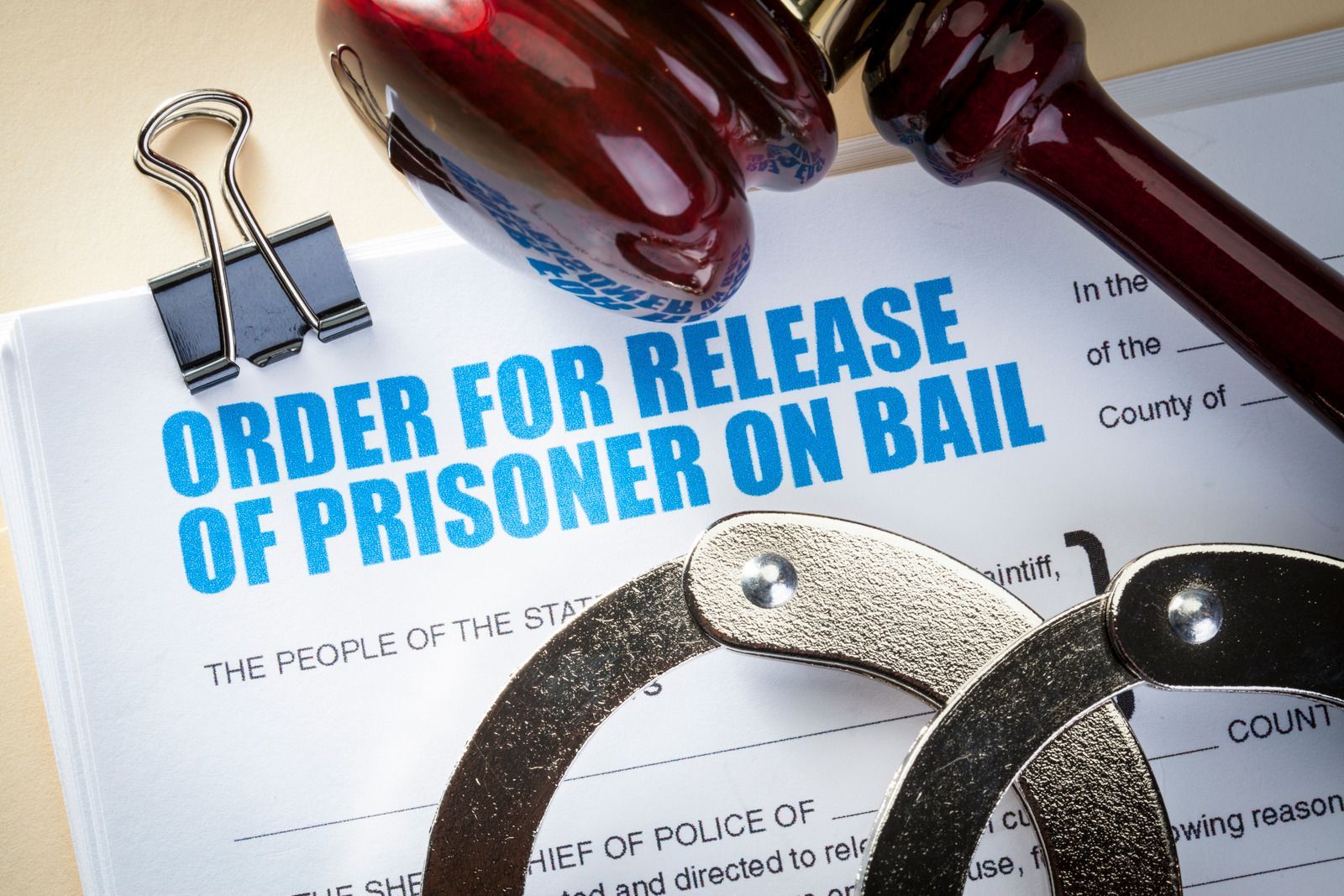
Understanding Court Dates and Responsibilities After You’re Released on Bond
Being released on bond can bring a mixture of relief and uncertainty. While it provides an opportunity to continue daily life outside of detention, it also comes with crucial responsibilities and obligations. Missing a court date or failing to meet bond conditions can result in serious legal consequences, including revocation of bond or additional charges. Understanding the process and expectations that follow a bond release is essential for anyone navigating the criminal justice system.
Navigating court dates and bond responsibilities requires both awareness and discipline. Courts set specific schedules that must be followed, and bond agreements include strict conditions designed to ensure compliance. Failing to adhere to these obligations not only affects legal standing but can also complicate personal and professional life. By gaining a clear understanding of what to expect, individuals can take proactive steps to meet obligations, avoid pitfalls, and maintain a stable path forward while awaiting legal resolution. Knowledge of these responsibilities empowers people to make informed decisions, ensuring that freedom granted through bond is protected.
Understanding the Bond Agreement
The Nature of a Bond
A bond functions as a financial guarantee that an individual will appear for scheduled court proceedings as required. It is often determined based on the severity of charges, prior criminal history, and other relevant legal factors. The purpose is to balance the presumption of innocence with the court’s need to ensure timely appearances at all required hearings.
For instance, a standard cash bond requires full payment upfront, while a surety bond involves a third-party guarantor who pledges the bond amount in case of noncompliance or failure to appear. Understanding the type of bond posted clearly clarifies financial obligations and potential consequences if these obligations are not properly met.
Key Responsibilities After Posting Bond
Once released, the individual is legally obligated to:
- Attend all scheduled court dates without any exception.
- Maintain consistent contact with the court or assigned monitoring entity as instructed.
- Avoid any criminal activity or behaviors that could violate bond conditions.
- Report changes in residence, employment, or contact information to authorities promptly.
Failing to meet any of these conditions may result in bond forfeiture, arrest, or additional criminal charges. Maintaining awareness of these responsibilities is critical for protecting legal rights and continuing freedom effectively.
Real-World Implications
Consider a scenario where an individual misses a preliminary hearing due to a misunderstanding of court scheduling procedures. Not only does this result in an immediate warrant for arrest, but it may also require posting a new bond under stricter conditions. This scenario highlights the importance of understanding both financial and procedural aspects of bond agreements fully.
Scheduling and Managing Court Dates
Importance of Court Attendance
Court appearances are the backbone of the judicial process in any case. Each scheduled hearing—from arraignment to pretrial conferences and final trial—carries specific purposes that significantly affect case outcomes. Missing even a single court date can trigger serious consequences, including bond revocation or escalation of legal penalties.
Regular attendance demonstrates compliance and a commitment to resolving legal matters responsibly. It also provides important opportunities to discuss case developments, enter formal pleas, and work closely with legal counsel on case strategy.
Best Practices for Tracking Court Dates
- Maintain a Calendar: Document all dates immediately, including hearings, meetings with legal counsel, and any mandated court appointments.
- Set Reminders: Use alarms, mobile alerts, or email notifications consistently to prevent accidental misses.
- Verify Schedules Regularly: Court schedules can change without notice; confirming dates with the clerk or official notifications is essential.
- Coordinate with Legal Counsel: Attorneys often receive updates about rescheduling or procedural adjustments in advance.
Challenges and Mitigation
Some common challenges include last-minute court changes, conflicts with personal obligations, or misunderstandings of official legal notifications. To mitigate these risks, always cross-reference official notices with legal counsel guidance and maintain a consistent communication line with the court.
Complying with Bond Conditions
Common Bond Conditions
Bond agreements often impose specific conditions beyond standard court attendance requirements. Common examples include:
- Travel Restrictions: Limiting movement to a defined geographic area unless specifically authorized.
- No-Contact Orders: Avoiding communication with certain individuals, witnesses, or co-defendants.
- Drug and Alcohol Monitoring: Submitting to testing as required by the court.
- Employment and Education Reporting: Providing timely updates to ensure accountability and personal stability.
Each condition is carefully designed to minimize risk and ensure legal compliance while awaiting trial. Noncompliance may result in immediate consequences, including arrest or increased financial liability for the bond.
Consequences of Violating Conditions
Violating bond conditions can have far-reaching legal effects on ongoing cases. Courts may issue a bench warrant, seize collateral, or escalate financial obligations significantly. In addition, violations can adversely affect case strategy, reducing negotiation leverage and credibility in future proceedings.
Real-World Example
A person released on bond with a no-contact order fails to comply by intentionally contacting a prohibited witness. The court can revoke the bond, issue a new warrant, and require a higher financial bond amount. This scenario clearly illustrates why meticulous adherence to all bond conditions is absolutely crucial.
Preparing for Court Appearances
Gathering Necessary Documentation
Successful court appearances require careful preparation and organization. Essential documents may include identification, proof of residence, bond receipts, witness statements, and any other evidence relevant to the specific case. Organized documentation ensures smooth proceedings and fully supports legal arguments effectively.
Dress Code and Behavior
Courts expect professional conduct and appropriate attire from every individual appearing before them. Dressing neatly and behaving respectfully can positively influence perception. Disruptive behavior or unprofessional presentation may negatively affect interactions with judges or other court officials significantly.
Coordination with Legal Counsel
Legal representation plays a critical role in court preparation and case strategy. Discussing case strategy, reviewing evidence, and understanding expected questions allow individuals to participate confidently in proceedings. Counsel can provide valuable guidance on timing, procedure, and potential legal outcomes.
Handling Unexpected Situations
Delays, rescheduling, or procedural complications may occasionally occur during court processes. Remaining calm, documenting issues thoroughly, and immediately notifying legal counsel ensures that these challenges do not jeopardize legal standing or bond conditions in any way.
Financial Responsibilities After Release
Bond Payment Obligations
The financial aspect of bond requires careful management and monitoring. Full cash bonds may be refunded upon successful case completion, provided all conditions are met. Surety bonds involve fees or collateral, which are not recoverable if obligations are unmet or violated.
Associated Costs
Beyond the bond itself, individuals may face additional costs, including legal fees, court fines, or monitoring program expenses. Planning for these obligations in advance is crucial to avoid financial strain and ensure continued compliance with court requirements.
Risk Management
Understanding financial responsibilities protects against bond forfeiture or unnecessary penalties imposed by the court. Keeping accurate records of payments, receipts, and communications related to the bond provides strong evidence of compliance and accountability.
Expert Reasoning
Legal professionals often emphasize that treating bond responsibilities as a formal contractual obligation significantly reduces risk. By approaching bond compliance with discipline and diligence, individuals maintain credibility with the court and protect both financial and legal interests effectively.
Maintaining Communication and Accountability
Importance of Regular Updates
Regular communication with the court or assigned monitoring entity demonstrates reliability, responsibility, and cooperation. Updates regarding changes in contact information, employment, or living arrangements prevent misunderstandings that could easily lead to unintentional violations of bond conditions.
Utilizing Support Networks
Friends, family, or legal advisors can assist with reminders, transportation, or monitoring compliance effectively. Leveraging a reliable support system increases the likelihood of meeting all obligations and avoiding serious legal complications while awaiting trial.
Digital Tools and Reminders
Calendars, phone alerts, and scheduling apps provide reliable methods to track court dates and compliance deadlines consistently. Consistent use of digital reminders significantly minimizes the risk of missed appointments or overlooked court conditions.
Developing Personal Accountability
Personal accountability reinforces compliance with bond conditions and court obligations. Establishing daily routines, prioritizing legal obligations, and regularly reviewing bond conditions create a structured environment that reduces risk and ensures full adherence to all requirements.
Professional Guidance for Successful Post-Bond Compliance
Successfully navigating life after release on bond requires awareness, discipline, and proactive management. Attending court dates, complying with bond conditions, maintaining accurate records, and staying in constant communication with legal authorities ensures that obligations are met and freedom is preserved. Each step taken to remain compliant directly affects legal outcomes, personal reputation, and financial security.
Understanding bond responsibilities is not only about avoiding consequences but also about making informed decisions and participating responsibly in the judicial process. Awareness of court procedures, deadlines, and requirements empowers individuals to take control of their legal journey. Preparing thoroughly, maintaining communication, and adhering to all conditions reduces risks while enhancing credibility in the eyes of the court.
At Amaziyah Bail Bonds
in Fort Mill, South Carolina, over 3
years of experience have guided countless clients through the bond process with expertise and care. Our focus is on helping individuals understand responsibilities, meet court obligations, and navigate the legal system with confidence. By providing clear guidance, reliable support, and immediate assistance, we ensure that freedom secured through bond is protected and maintained. Choosing Amaziyah Bail Bonds
means working with a dedicated partner committed to compliance, accountability, and successful legal outcomes, empowering clients to approach their legal responsibilities confidently.